How Delivery Robots Are Changing Urban Logistics

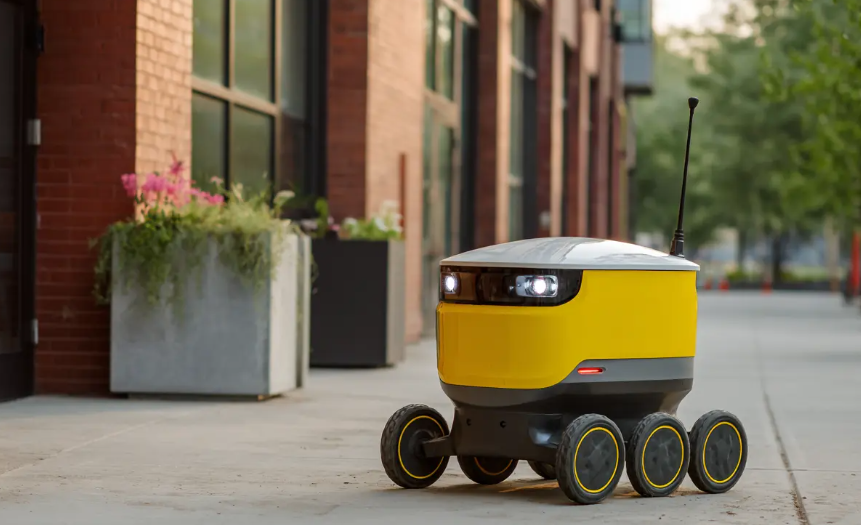
Delivery robots are increasingly becoming integral to urban logistics. Their autonomous operation allows for efficient last-mile delivery, which is critical as urban populations expand. These robots can navigate complex city infrastructures while optimizing routes, thereby mitigating traffic congestion. Additionally, their electric nature contributes to reduced emissions, aligning with sustainability goals. However, the integration of these technologies presents challenges that require strategic consideration. Understanding these dynamics is essential for comprehending the future landscape of urban logistics.
The Rise of Delivery Robots in Urban Areas
As urban populations continue to grow and consumer demands evolve, the implementation of delivery robots has emerged as a strategic innovation in urban logistics.
Leveraging advanced robot technology, these autonomous units navigate existing urban infrastructure, optimizing delivery routes while reducing congestion.
This transformation not only enhances consumer convenience but also promotes sustainable practices, aligning with the increasing demand for efficient, eco-friendly solutions in urban environments.
See also: How Decentralized Finance (Defi) Is Reshaping Banking
Enhancing Efficiency in Last-Mile Delivery
While traditional last-mile delivery methods often face challenges related to efficiency and cost, the integration of delivery robots presents a compelling solution.
Environmental Benefits of Autonomous Delivery Solutions
The rise of autonomous delivery solutions not only enhances operational efficiency in last-mile logistics but also presents significant environmental advantages.
These eco-friendly solutions promote sustainable transport by utilizing electric vehicles, resulting in reduced emissions.
Furthermore, they alleviate urban congestion by decreasing the number of delivery trucks on the road, contributing to cleaner air and a more sustainable urban environment, ultimately fostering a healthier quality of life.
Overcoming Challenges and Future Prospects
Although autonomous delivery robots offer promising advancements in efficiency and sustainability, several significant challenges must be addressed to fully realize their potential in urban logistics.
Key issues include robot regulation, which varies widely across jurisdictions, and the need for public acceptance to mitigate concerns about safety and privacy.
Strategic collaboration among stakeholders is essential to navigate these challenges and foster a conducive environment for future growth.
Conclusion
In conclusion, delivery robots are not only transforming urban logistics but also redefining efficiency in last-mile delivery. With a notable statistic indicating that these robots can reduce delivery times by up to 50%, their impact on urban infrastructure and consumer satisfaction is profound. As cities continue to embrace this technology, the potential for enhanced sustainability and reduced congestion becomes increasingly evident, positioning delivery robots as a strategic solution for the challenges of modern urban logistics.